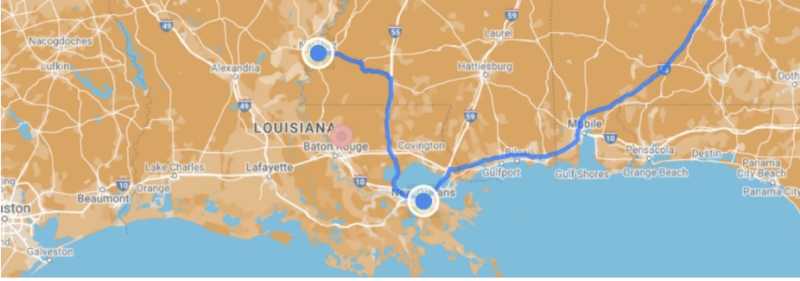
With New Orleans on the horizon, I was singing the ballad “Lakes of Ponchartrain.” as I rolled past the oil refineries and chemical plants near Baton Rouge.
It was on one bright March morning I bid New Orleans adieu
I took the road to Jackson town, my fortune to renew
To be honest, it was a cloudy January day, I was taking the road from Jackson and I would be bidding the Crescent City “Bonjour,” but it’s a pretty song about that big, shallow, brackish lake spread out to my left. By the time the road curved around the south of the lake I had switched to playing Zydeco music loudly, more in line with the faster, more urban tempo around me.
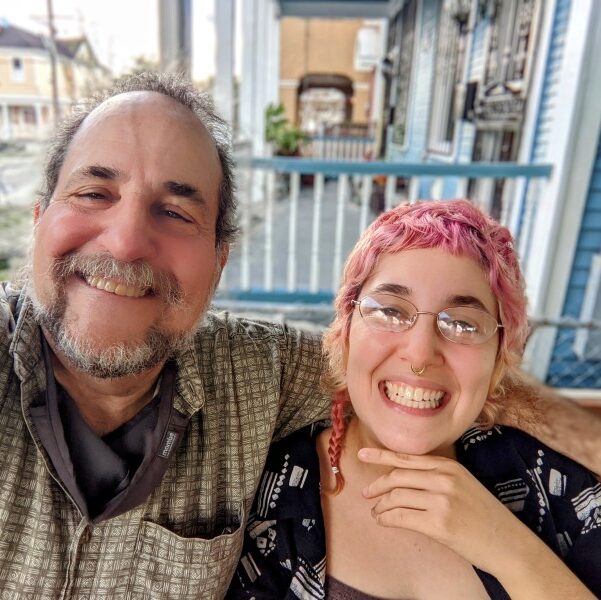
I arrived in Izzy’s NOLA neighborhood a little confused by the weather. The gradual warming of the last few days hadn’t helped me adapt. The calendar read December and the sun was setting early, but even though I had switched to short pants and a short-sleeve shirt I was wiping my brow and felt sweat trickling down my back. Izzy was still at work, but my niece Zena and another friend of theirs were visiting town, and we walked around and hung out on the porch until they 1 returned.
Izzy took us on a long walk to an industrial wasteland known as “The End of the World.” A huge grafitti-covered concrete building loomed over the river alongside a decaying industrial canal. We walked among the remains of Maritime and military industry: Rusty bollards that must have moored gargantuan ships, giant chains and hooks used to move cargo, concrete walls and walks slimy and stained with the greasy, muddy water of the river and the canal.
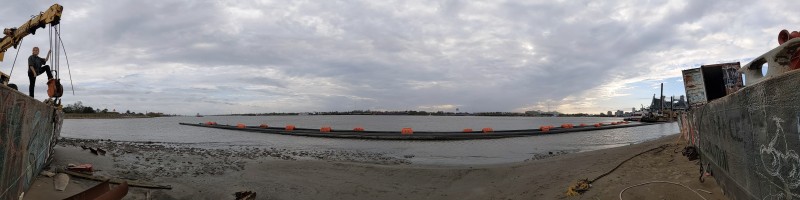
Passengers waved at us from the garishly-decorated decks of a riverboat, its huge sternwheel turning like Credence Clearwater’s Proud Mary (though I suspected that the wheel wasn’t really propelling it down the river). Towering cargo ships stacked with containers reminded us that the city is still one of the country’s most important deep-water ports. Of course this wasn’t literally the end of the world. It wasn’t even the end of the Mississippi. The big river wandered through a tangle of swamps and islands for another 80 miles before spilling, rich with river bottom mud and industrial pollution, into the Gulf of Mexico. But for me it was the end of the big river I had been following for the last few weeks. It marked my southernmost destination and my Walkabout’s turning point. It was all North from here.
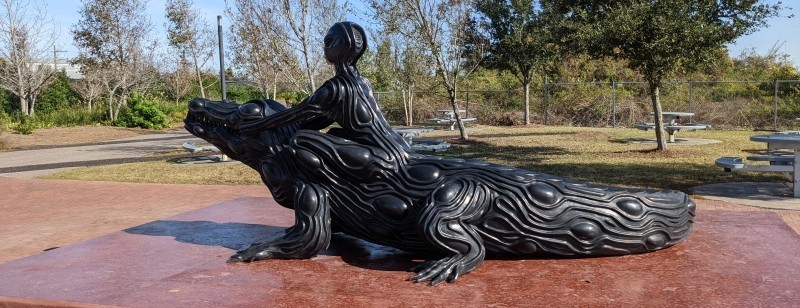
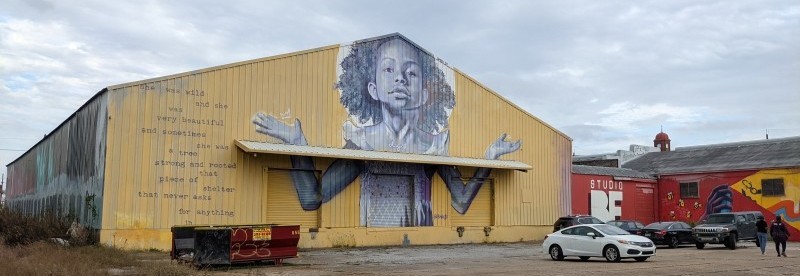
As we walked through Crescent Park, back up the river towards the French Quarter, I was disoriented to look up and see container ships heading out to sea over our heads.
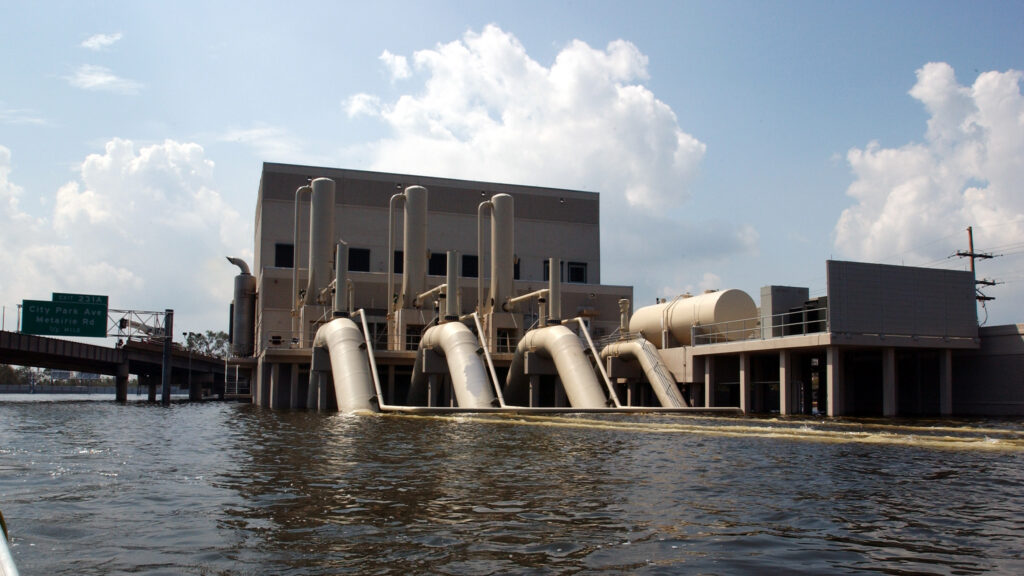
New Orleans was built on swamp, and gargantuan pumps were built to drain the land. Over the years the pumps have been expanded and upgraded, many of them running continuously decade after decade. Levees were built to protect the city from floods. These kept new sediment from being deposited, which would have raised the city back up. Centuries of pumping and the weight of a modern city have turned New Orleans into a deep bowl surrounded by water. Most of New Orleans is now below sea level, some of it ten feet below.
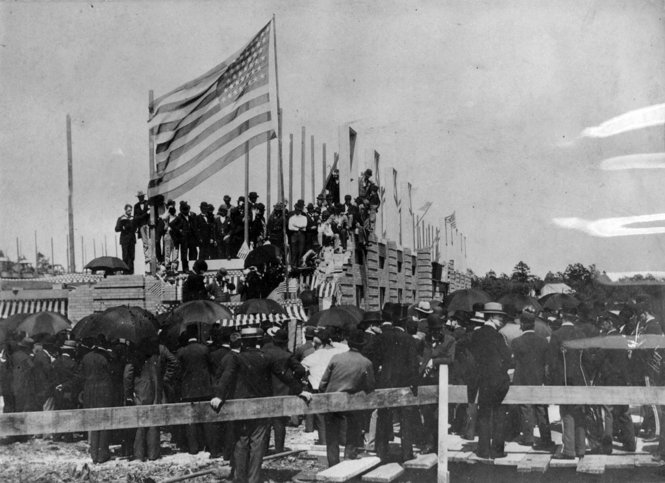
The pumps, some hundreds of year old and some new, continue to run night and day, doing their best to keep the roads from flooding. But I’ve seen with my own eyes how an afternoon of heavy rain can overwhelm them. Neighborhood streets become tributaries of the great river, connecting them in a mysterious way to the riverine neighborhoods of Minneapolis and St. Paul. The city continues to sink a few inches each year, even as climate change brings rising sea levels. The bowl-like shape of the city and the surrounding waters made me think of New Orleans as something like a flimsy, round Coracle boat. NOLA seems to me about as durable and reliable as those woven reed disks bobbing about on the ponds and slow rivers of Scotland and Wales.
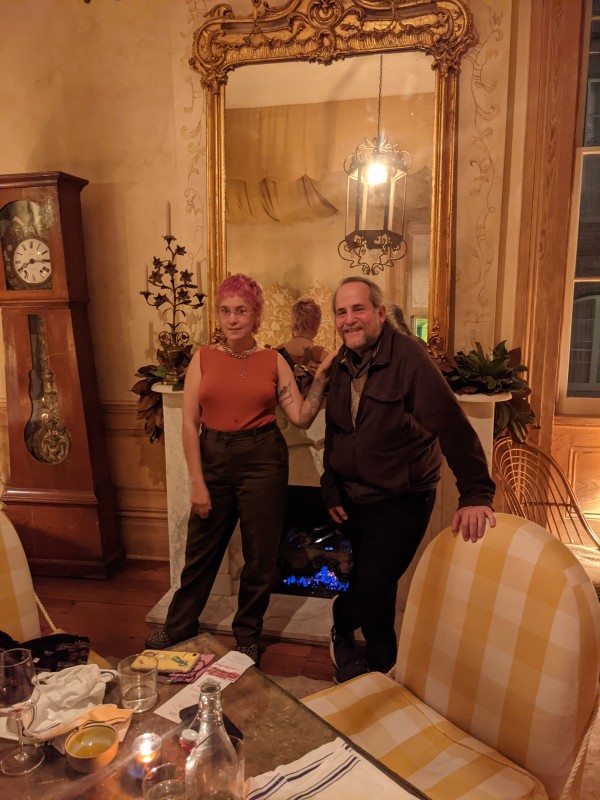
My kid has fallen in love with this place despite its precarious setting. They’re one of a flock of young people who’ve moved here to share the art, music, and love of life woven into of the fabric of New Orleans. They revel in its vibrant and historic LGBT community, love that it’s a hot spot of music, art and culture of Black America, delight in the noise, color and, yeah, the party atmosphere of the place. Quite a contrast to Izzy’s childhood in the staid, lily-white Yankee villages of Vermont. They even adore the heat that I find so unbearable. They seem unfazed by the high crime that had me feeling wary or by the glimpses of poverty that depressed and saddened me on my short visit.
As they drove us around the city, over the most topsy-turvy, cracked and potholed pavement I’ve ever seen, I wondered about the survival of this place. When Hurricane Ida hit last fall Izzy rode out the storm, but had to evacuate in the aftermath. The city was paralyzed: damaged roads and downed trees were everywhere. There was no electricity, safe water, or sanitation. They maneuvered their car through the labyrinth of streets and roadways that were still usable, accompanied by their two cats, heading back the way I had just traveled, staying for a while at cousin Zena’s place in Minnesota. New Orleans seems so uncertain, always bracing for the next storm, the one that will wipe it off the map. I guess this could be just another sign that I’ve grown old. We olds sure love certainty and security.
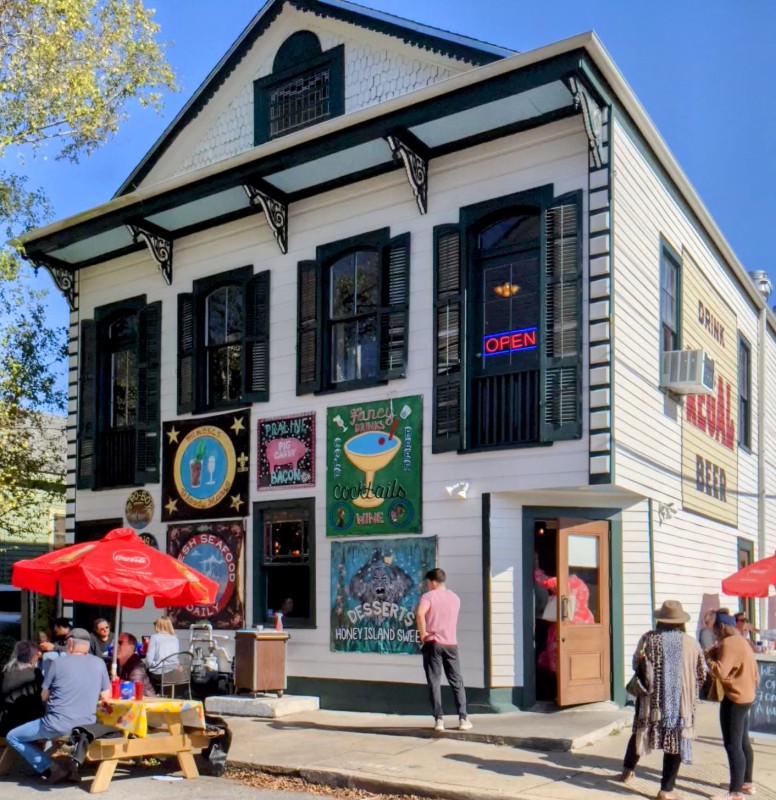
I spent the next few days enjoying delightful outdoor drinking and dining (Izzy knew where to find the best breakfast biscuits), meeting some of their friends and attending a birthday party for one of the children they nannied. I even loosened my COVID vigilance enough to enjoy drinks at Latitude 29, eat a inside a restaurant (a very fancy one), and attend a performance of The Acrocats, a traveling troupe of rescued cats that walk on tightropes, skateboard, “play” musical instruments, jump through hoops and perform other stunts. Part of the joy of the show was watching some of these carefully-trained performers leave the stage and, ignoring the trainers’ pleas, wander off to visit audience members.

What a loss it will be when someday (hopefully far in the future) the sea finally takes New Orleans.